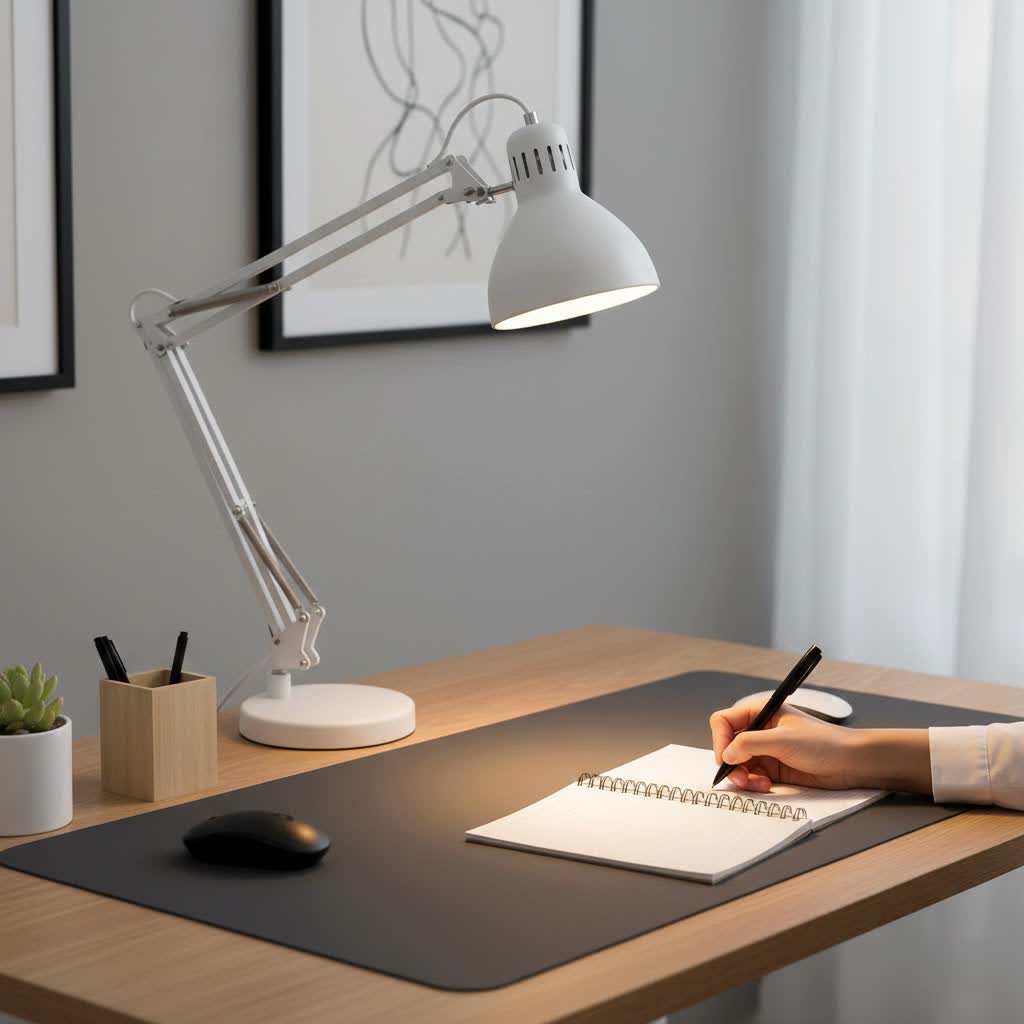
In the realm of interior design, few objects possess the enduring charm and artistic grandeur of a Tiffany Desk Lamp. More than just a source of light, these iconic pieces are functional works of art, transforming any workspace or living area into a sanctuary of warmth and elegance. Have you ever wondered about the intricate stories woven into their vibrant stained glass? Join us as we illuminate the world of Tiffany desk lamps, guiding you through their rich history, diverse styles, and essential buying considerations to help you find the perfect radiant masterpiece for your home.

Why Choose a Tiffany Desk Lamp?
|
Our Picks for the Best Desk Lamp in 2026
We may earn a commission when you use one of our links to make a purchase.
|
||
| Num | Product | Action |
|---|---|---|
| 1 | LED Desk Lamp for Office Home, Eye-Caring Desk Light with Stepless Dimming Adjustable Flexible Gooseneck, 10W USB Adapter Desk Lamp with Clamp for Reading, Study, Workbench (Grey) |

|
| 2 | LED Desk Lamp for Office Home, Eye-Caring Desk Light with Stepless Dimming Adjustable Flexible Gooseneck, 10W USB Adapter Desk Lamp with Clamp for Reading, Study, Workbench (Black) |
|
| 3 | LED Desk Lamp with Clamp, Architect Desk Lamp for Home Office with Remote, 24W Ultra-Bright Desk Light with Stepless Dimming and Stepless Color Temp, Memory Function for Study and Workbench |
|
| 4 | LED Desk Lamp for Office Home, Eye-Caring Desk Light with Stepless Dimming Adjustable Flexible Gooseneck, 10W USB Adapter Desk Lamp with Clamp for Reading, Study, Workbench (White) |
|
| 5 | Micomlan Led Desk Lamp with Clamp, Architect Desk Lamp for Home Office with Atmosphere Lighting, 24W Ultra Bright Auto Dimming Computer Light Stepless Dimming and Tempering LED Table Light |
|
| 6 | LED Desk Lamp with Clamp, Eye-Caring Clip on Lights for Home Office, 3 Modes 10 Brightness, Long Flexible Goose-Neck, Metal, Swing Arm Architect Task Table Lamps with USB Adapter, Black |
|
| 7 | LED Desk Lamp for Office Home, Power Strip with 3 Outlets 4 USB Charging Ports(2 USBC), 4 Modes 5 Level Brightness Desk Light, Small Desk Lamp for College Dorm Room Essentials |
|
| 8 | LED Desk Lamp for Office Home, Eye-Caring Desk Light with Stepless Dimming Adjustable Flexible Gooseneck, 10W USB Adapter Desk Lamp with Clamp for Reading, Study, Workbench (Pink) |
|
| 9 | Desktop Lamp 10X Magnification Magnifying Glass with Light and Stand with 360 Degree Adjustable Detachable Desktop Magnifier Suitable for Reading, Repairs, Crafts, and Close Work and More |
|
| 10 | LED Desk Lamp with Clamp, Eye-Caring Clip on Lights for Home Office, 3 Modes 10 Brightness, Long Flexible Goose-Neck, Metal, Swing Arm Architect Task Table Lamps with USB Adapter, White |
|
A Tiffany desk lamp is an investment in both aesthetics and ambiance, offering benefits far beyond simple illumination. These lamps infuse a space with unparalleled character and a soft, inviting glow that modern lighting often struggles to replicate. The unique artistry of each hand-assembled stained glass shade creates a captivating focal point, transforming an ordinary desk into an extraordinary showcase. Such a lamp serves as a statement piece, reflecting a sophisticated appreciation for intricate design and historical craftsmanship, elevating your personal style.
A Glimpse into History: The Origin of Tiffany Lamps
The story of the Tiffany lamp begins in the late 19th century, a period of profound artistic innovation. While often credited solely to Louis Comfort Tiffany, it was Clara Driscoll, a talented designer at Tiffany Studios, who spearheaded the creation of these revolutionary stained glass lamps around 1895. Influenced by the vibrant Art Nouveau movement, Tiffany Studios embraced natural aesthetics, crafting shades that depicted scenes from nature, such as delicate flowers, dragonflies, and other intricate botanical motifs. The distinctive copper foil technique, where individual pieces of hand-cut glass are wrapped in copper foil and then soldered together, became the hallmark of Tiffany lamps, distinguishing them from traditional leaded glass and allowing for greater detail and organic forms. The majority of these lamps were produced between 1895 and 1920, leaving a legacy of timeless beauty.
Understanding Tiffany Desk Lamp Styles and Designs
Tiffany desk lamps are celebrated for their incredible diversity in design, each style telling a unique visual story through color and pattern. From the organic flow of nature-inspired motifs to the clean lines of geometric compositions, there is a Tiffany aesthetic to suit every taste.
The shades typically come in globe or cone shapes, often exhibiting an organic “flow” rather than rigid forms. Iconic motifs include the delicate Dragonfly, the cascading Wisteria, and the vibrant Daffodil. Beyond these famous designs, you’ll find a plethora of other botanical themes, like tulips, peonies, and poppies, alongside intricate geometric patterns. The glass itself is a marvel, often featuring opalescent or Favrile glass—a type of iridescent art glass developed by Tiffany—along with other textured varieties like streamer, fracture, and ripple glass, each contributing to the lamp’s unique light-refracting properties and rich visual depth.
Key Factors When Selecting Your Tiffany Desk Lamp
Choosing a Tiffany desk lamp requires careful consideration, especially if you seek an authentic piece or a high-quality reproduction. Understanding these factors ensures you make an informed decision that brings lasting beauty to your space.
-
Authenticity vs. Reproduction
For many, the allure of a genuine antique Tiffany lamp is irresistible. Authentic lamps often feature a heavy lead ring inside a hollow bronze base, which develops a natural patina over time—a brownish or greenish film resulting from oxidation. Reproductions, while beautiful, typically use lighter materials like brass, zinc, or even resin for their bases. While some original lamps bear “Tiffany Studios New York” markings or five-digit numbers (especially for those made between 1902-1904), these can be mimicked, so look for overall superior craftsmanship in the glass and base. Genuine shades will typically not have loose or rattling glass pieces. Original lamps also often feature turn-paddle knobs or pull chains for operation. -
Size and Scale
Consider the dimensions of your desk and the room where the lamp will reside. A grand, intricately designed Tiffany lamp might overwhelm a small study space, while a more modest piece could get lost on a large executive desk. Ensure the lamp’s height and shade width are proportionate to its surroundings, allowing it to enhance rather than dominate the area. A well-proportioned lamp creates visual harmony and functions optimally for its intended purpose. -
Light Output and Bulb Compatibility
The stained glass of a Tiffany lamp naturally diffuses and colors light, creating a warm, inviting glow rather than intense task lighting. Modern Tiffany-style lamps are generally compatible with standard E14, E27, or B22 lamp holders. For optimal performance and preservation of the stained glass, LED bulbs are highly recommended. They produce significantly less heat than incandescent or halogen bulbs, which can be crucial for the longevity of the delicate glass. Dimmable LEDs, paired with a compatible switch, offer flexibility in setting the perfect ambiance. For smaller lamps, 4-6W LEDs suffice, while larger lamps may benefit from two 10W LEDs. Opt for “warm white” bulbs to best complement the rich hues of the stained glass. -
Material Quality
The distinction in material quality between genuine Tiffany lamps and reproductions is significant. Authentic pieces boast solid bronze bases, often with exquisite detailing and a rich, aged patina. The stained glass in original and high-quality reproduction shades is hand-cut and chosen for its color, texture, and light-refracting properties, ensuring a harmonious composition of hues. Cheaper alternatives might use resin bases or less vibrant, machine-cut glass, impacting both durability and aesthetic appeal.
A Buyer’s Guide to Tiffany Desk Lamps
Purchasing a Tiffany desk lamp can be an exciting journey into art and history. To ensure you find a piece that truly delights, follow these guiding steps.
- Determine Your Needs and Budget: Are you seeking a genuine antique for its investment value and historical significance, or a beautiful, faithful reproduction to enhance your decor? Antiques come with a much higher price tag and require specialist knowledge, while reproductions offer accessible beauty.
- Research Reputable Sellers: For authentic Tiffany lamps, consult established antique dealers, auction houses, or specialized galleries. For reproductions, choose retailers known for quality craftsmanship and good customer reviews.
- Inspect Condition (Especially for Antiques): Look for stable construction, absence of cracks in the glass, and a consistent patina on bronze bases. Remember that some wear is normal for antique items, but significant damage can affect value and aesthetics.
- Consider Overall Aesthetic: Think about how the lamp’s style, colors, and motifs will integrate with your existing decor. A Tiffany lamp should complement your space, adding a touch of elegance without clashing.
- Understand Warranty and Return Policies: Ensure your purchase is protected, especially for higher-value items.
Top 5 Popular Tiffany Desk Lamp Designs
While individual designs are countless, several styles consistently capture the imagination and embody the iconic Tiffany aesthetic:
- The Dragonfly Lamp: Perhaps the most famous and beloved, this design features intricate dragonflies with iridescent wings, often set against a mosaic background of water lilies or reeds. It’s a stunning example of Art Nouveau’s natural influence.
- The Wisteria Lamp: Characterized by its cascading wisteria blooms, often in shades of blue, purple, and green, this lamp creates a dramatic and romantic effect. Its flowing, irregular border mimics the natural vine.
- The Mission Style Lamp: With its strong geometric lines and earthy tones, often incorporating amber, green, and brown glass, the Mission style reflects the Arts and Crafts movement’s emphasis on simplicity and craftsmanship.
- The Floral Cone/Globe Lamp: These designs feature a more traditional shade shape adorned with scattered floral patterns—such as daffodils, tulips, or peonies—on a geometric background, or with distinct floral “belts” around the lower border.
- The Geometric Lamp: Offering a minimalist yet equally captivating appeal, geometric designs feature patterns of squares, triangles, and rectangles. These lamps highlight the beauty of the glass itself through precise arrangement and often feature “turtleback tiles” for added visual interest.
Care and Maintenance for Your Tiffany Desk Lamp
To preserve the beauty and longevity of your Tiffany desk lamp, whether an antique treasure or a modern reproduction, proper care is essential.
- Cleaning the Shade: Gently dust the glass shade with a soft, dry cloth. For a deeper clean, a slightly damp cloth with mild soap and water can be used, but avoid harsh chemicals or abrasive cleaners that could damage the patina or the glass itself. Always dry thoroughly immediately after cleaning.
- Caring for the Base: Bronze bases can be cleaned with a soft, dry cloth. If a deeper clean is needed, use a specialized bronze cleaner sparingly and follow the product instructions carefully to protect the natural patina. Avoid getting cleaning solutions on the glass.
- Bulb Replacement: When changing bulbs, ensure the lamp is unplugged. Always use bulbs that fit comfortably within the shade and do not press against the glass. As mentioned, LED bulbs are preferred due to their lower heat output, which protects the stained glass from thermal stress over time.
- General Handling: Always lift the lamp by its base, not by the shade. Place it on a stable surface where it won’t be easily knocked over.
“A Tiffany lamp is not merely lighting; it is a meticulously crafted artifact that tells a story through every shard of colored glass, bridging the gap between art and everyday life.”
Conclusion
Tiffany desk lamps stand as enduring symbols of beauty, craftsmanship, and historical elegance. From the intricate floral motifs to the vibrant play of light through countless pieces of hand-cut glass, each lamp is a testament to an artistic legacy that continues to captivate and inspire. Choosing a Tiffany desk lamp means inviting a piece of this rich history and unparalleled artistry into your own home, transforming your desk into a focal point of radiant charm. Which timeless Tiffany design will illuminate your world next?
Câu Hỏi Thường Gặp
What makes a Tiffany lamp authentic?
An authentic Tiffany lamp is distinguished by its heavy bronze base with a natural patina, hand-cut opalescent glass pieces joined by the copper foil technique, and meticulous craftsmanship throughout. While some bear “Tiffany Studios New York” markings, it’s crucial to inspect the lamp’s overall construction, materials, and design fidelity to original patterns, as markings can be replicated.
Are Tiffany lamps still made today?
Original Tiffany lamps from Tiffany Studios are antiques, primarily produced between 1895 and 1920. However, many manufacturers today produce “Tiffany-style” lamps that emulate the iconic designs and stained glass techniques, offering a wide range of beautiful reproductions for modern homes.
Can I use LED bulbs in a Tiffany lamp?
Yes, LED bulbs are highly recommended for Tiffany lamps. They are energy-efficient, have a longer lifespan, and most importantly, produce significantly less heat compared to traditional incandescent or halogen bulbs. This reduced heat output helps protect the delicate stained glass shades from potential damage over time.
How do I clean my Tiffany lamp?
To clean the stained glass shade, gently dust it with a soft, dry cloth. For more stubborn grime, a slightly damp cloth with mild, non-abrasive soap can be used, ensuring to dry the glass thoroughly afterward. The bronze base can be wiped with a dry cloth, and if needed, a specialized bronze cleaner applied sparingly, avoiding contact with the glass.
What are the most popular Tiffany lamp designs?
Some of the most popular and iconic Tiffany lamp designs include the Dragonfly, Wisteria, and Daffodil patterns, known for their intricate naturalistic motifs. Geometric designs and various floral patterns, often featuring themes like peonies or tulips, also remain highly sought after for their timeless appeal and vibrant artistry.