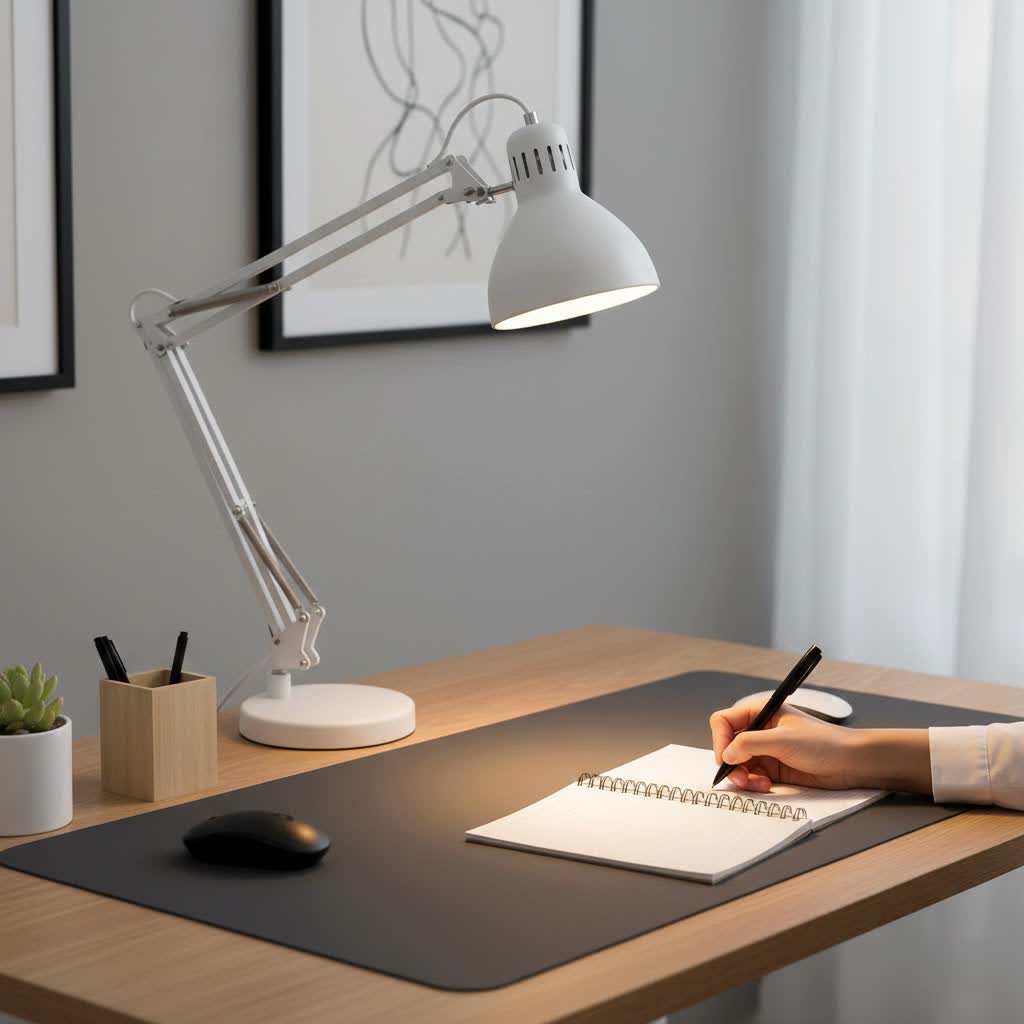
Are you an architect, artist, engineer, or simply someone who dedicates long hours to detailed tasks at your desk? You know the profound impact that proper lighting can have on your work, your focus, and even your health. Standard desk lamps often fall short, leaving shadows, causing glare, and contributing to eye strain. This is where the Architect Desk Lamp steps in – a specialized lighting solution designed to provide the precise, flexible, and eye-friendly illumination that professionals and enthusiasts alike demand. In this comprehensive guide, we’ll delve into everything you need to know about choosing the perfect architect desk lamp to transform your workspace and enhance your productivity.
Why You Need an Architect Desk Lamp?
In any intensive workspace, whether it’s a drafting table, an art studio, or a home office, the quality of light directly impacts performance and well-being. Poor lighting can lead to a cascade of issues: squinting, headaches, fatigue, and ultimately, a drop in productivity. It can even compromise the accuracy of your work.
An architect desk lamp is not just another light source; it’s a critical tool. Its design, characterized by an articulated swing arm and adjustable head, allows you to direct light exactly where it’s needed, eliminating shadows and ensuring consistent illumination across your entire work surface. This precise control minimizes eye strain, helps preserve vision over long periods, and improves the clarity and detail required for intricate tasks. By investing in a high-quality architect desk lamp, you’re investing in your comfort, efficiency, and the quality of your output.
What Defines an Architect Desk Lamp?
The architect desk lamp distinguishes itself from conventional desk lighting through its iconic design and unparalleled functionality, originally conceived for the demanding needs of mid-20th-century architectural studios. These lamps are recognized by their distinct articulated swing arm mechanism, often featuring spring-balanced joints that allow for smooth and effortless repositioning.
Unlike standard lamps that offer limited adjustability, an architect lamp provides extensive reach and flexibility, enabling users to adjust height, angle, and rotation with precision. This design ensures that light can be focused on specific areas or spread evenly across a wide surface, making it indispensable for tasks such as drafting, intricate crafting, detailed reading, or intensive computer work. Modern iterations typically incorporate advanced LED technology for superior light quality and energy efficiency, setting them apart as a purpose-built solution for focused illumination.
Key Features to Consider When Choosing an Architect Desk Lamp
Selecting the ideal architect desk lamp involves evaluating several critical features to ensure it meets your specific needs for precision, comfort, and durability.
Adjustability & Ergonomics
|
Our Picks for the Best Desk Lamp in 2026
We may earn a commission when you use one of our links to make a purchase.
|
||
| Num | Product | Action |
|---|---|---|
| 1 | Micomlan Led Desk Lamp with Clamp, Architect Desk Lamp for Home Office with Atmosphere Lighting, 24W Ultra Bright Auto Dimming Computer Light Stepless Dimming and Tempering LED Table Light |

|
| 2 | LED Desk Lamp for Office Home, Power Strip with 3 Outlets 4 USB Charging Ports(2 USBC), 4 Modes 5 Level Brightness Desk Light, Small Desk Lamp for College Dorm Room Essentials |
|
| 3 | LED Desk Lamp with Clamp, Eye-Caring Clip on Lights for Home Office, 3 Modes 10 Brightness, Long Flexible Goose-Neck, Metal, Swing Arm Architect Task Table Lamps with USB Adapter, Black |
|
| 4 | LED Desk Lamp for Office Home, Eye-Caring Desk Light with Stepless Dimming Adjustable Flexible Gooseneck, 10W USB Adapter Desk Lamp with Clamp for Reading, Study, Workbench (Pink) |
|
| 5 | LED Desk Lamp for Office Home, Eye-Caring Desk Light with Stepless Dimming Adjustable Flexible Gooseneck, 10W USB Adapter Desk Lamp with Clamp for Reading, Study, Workbench (Grey) |
|
| 6 | LED Desk Lamp with Clamp, Architect Desk Lamp for Home Office with Remote, 24W Ultra-Bright Desk Light with Stepless Dimming and Stepless Color Temp, Memory Function for Study and Workbench |
|
| 7 | LED Desk Lamp for Office Home, Eye-Caring Desk Light with Stepless Dimming Adjustable Flexible Gooseneck, 10W USB Adapter Desk Lamp with Clamp for Reading, Study, Workbench (White) |
|
| 8 | LED Desk Lamp for Office Home, Eye-Caring Desk Light with Stepless Dimming Adjustable Flexible Gooseneck, 10W USB Adapter Desk Lamp with Clamp for Reading, Study, Workbench (Black) |
|
| 9 | LED Desk Lamp with Clamp, Eye-Caring Clip on Lights for Home Office, 3 Modes 10 Brightness, Long Flexible Goose-Neck, Metal, Swing Arm Architect Task Table Lamps with USB Adapter, White |
|
| 10 | Desktop Lamp 10X Magnification Magnifying Glass with Light and Stand with 360 Degree Adjustable Detachable Desktop Magnifier Suitable for Reading, Repairs, Crafts, and Close Work and More |
|
The hallmark of an architect desk lamp is its superior adjustability. Look for models with a multi-jointed, spring-balanced swing arm that allows for smooth, effortless movement and stable positioning. The ability to rotate the lamp head 360 degrees and adjust its height and extension is crucial for directing light precisely where you need it, minimizing shadows and glare on your workspace. Excellent ergonomic design ensures you can customize the lighting without constant readjustment or arm drift.
Mounting Options
Architect desk lamps typically offer two primary mounting options:
- Clamp-on: These lamps attach directly to the edge of your desk, freeing up valuable surface space. They are ideal for smaller desks or crowded workstations where maximizing usable area is essential. Ensure the clamp is sturdy and compatible with your desk’s thickness.
- Weighted Base: Lamps with a heavy, stable base can be placed anywhere on your desk. This offers greater flexibility in placement and portability if you frequently reconfigure your workspace. A well-designed base will prevent tipping, even when the arm is fully extended. Many modern lamps offer a 2-in-1 system, providing both a clamp and a base for ultimate versatility.
Light Source & Quality
The type and quality of light are paramount for an architect lamp.
- LED Technology: Modern architect lamps predominantly use LED bulbs due to their energy efficiency, long lifespan (often tens of thousands of hours), and cooler operation. Unlike traditional incandescent or halogen bulbs, LEDs produce very little heat, allowing you to position the lamp head close to your work without discomfort or damaging documents.
- Brightness (Lumens/Wattage) & Dimming: The lamp’s brightness, measured in lumens, should be sufficient for detailed tasks, typically around 500-1000 lumens for a task lamp. Look for dimmable features, ideally with stepless dimming or at least multiple preset brightness levels, to adapt the light output to different activities and ambient conditions.
- Color Temperature (CCT): Measured in Kelvins (K), color temperature influences mood and visual acuity. Architect lamps often offer adjustable CCT, allowing you to switch between warm light (2700K-3000K for relaxation), neutral white (3500K-4500K for general tasks), and cool daylight (5000K-6500K for maximum focus and detail work, closely mimicking natural sunlight).
- Eye Protection: Essential features include flicker-free illumination, which prevents eye strain and fatigue, and anti-glare technology (often through diffusers or specialized LED panels). Some lamps also incorporate anti-blue light filters to reduce potential sleep disruption and eye discomfort associated with prolonged exposure to blue light.
- CRI (Color Rendering Index): For design and art professionals, a high CRI (90 or above) is crucial. It indicates how accurately the lamp renders colors compared to natural light, ensuring that the colors you see under the lamp are true to life.
Design & Build Quality
The durability and aesthetics of an architect desk lamp are important considerations. High-quality lamps are typically constructed from robust materials like aluminum alloy or steel, ensuring stability and longevity. The joints should feel solid and move smoothly without wobbling or sagging over time. Beyond functionality, the lamp’s design should complement your workspace, with sleek, modern finishes often preferred.
Smart Features & Controls
Modern architect lamps come with various convenient features:
- Controls: While many contemporary models feature intuitive touch controls for brightness and color temperature, some users, particularly those seeking a “buy it for life” product, prefer physical buttons, knobs, or sliders for tactile feedback and precise adjustments without accidental changes. Some advanced models even offer gesture control.
- Memory Function: This feature allows the lamp to recall your last brightness and color temperature settings when turned back on, saving you the hassle of resetting it every time.
- Auto-Dimming: Some lamps include ambient light sensors that automatically adjust brightness based on the surrounding environment, ensuring optimal illumination throughout the day.
- USB Charging Ports: Built-in USB-A or USB-C ports in the base or clamp offer convenient charging for your phone or other devices, reducing cable clutter on your desk.
Comparison Table: Top Architect Desk Lamps
Choosing from the myriad of options can be daunting. This table provides a simplified overview of typical features and considerations for popular architect desk lamp styles, helping you weigh the pros and cons.
| Lamp Style/Feature Focus | Ideal For | Pros | Cons | Price Range (Approx.) |
|---|---|---|---|---|
| Traditional Swing Arm | Drafting, classic offices | Iconic look, robust metal build, broad adjustability | Can be bulky, often uses older bulb types | $40 – $150 |
| Modern LED with Clamp | Small desks, tight spaces | Space-saving, energy-efficient LED, sleek design | Less portable, clamp stability varies | $30 – $100 |
| Advanced LED with Base | Versatile workstations, e-reading | Superior light quality (CCT, CRI), eye-care features, stable base | Higher price point, takes up desk space | $80 – $300+ |
| Ultra-Wide Light Bar | Multi-monitor setups, large surfaces | Illuminates entire desk, reduces screen glare | Larger footprint, less focused spotlight | $70 – $250 |
| Gooseneck Architect | Flexible spot lighting | Highly flexible, compact, often portable | Less robust than swing arm, shorter reach | $20 – $70 |
How to Choose the Perfect Architect Desk Lamp for Your Needs
Finding the “perfect” architect desk lamp means aligning its features with your specific workspace and tasks. Here’s a streamlined approach:
- Define Your Primary Use: Are you sketching blueprints, working on a computer, reading, or engaged in detailed crafts? Different tasks require varying levels of brightness, color temperature, and beam spread. For example, architects and designers will benefit most from high CRI and cool daylight temperatures, while general office work might prioritize adjustable brightness and eye comfort.
- Assess Your Workspace: Consider the size of your desk and the available surface area. If space is limited, a clamp-on model is an excellent choice. If you need to move the lamp around frequently, a weighted base provides flexibility. Evaluate existing ambient light to determine how much supplemental lighting your lamp needs to provide.
- Prioritize Key Features: Based on your use, decide which features are non-negotiable. Do you need a lamp with a wide range of color temperatures, or is flicker-free operation your top priority for eye health? Is a USB charging port a must-have convenience, or do you prefer simple, robust physical controls?
- Set a Budget: Architect desk lamps vary widely in price. Determine a realistic budget, understanding that higher-end models often offer superior build quality, advanced LED technology, and more sophisticated features like automatic dimming or gesture controls.
- Read Reviews and Compare: Look for reviews that highlight durability, light quality, and ease of use. Pay attention to feedback regarding the stability of the arm, the effectiveness of the dimming, and the overall user experience to inform your decision.
Top 5 Architect Desk Lamps Popular Today
While specific models and brands can change rapidly, certain types and features consistently rank as favorites for architect desk lamps. Here are categories of highly favored options based on user needs and expert reviews:
-
The Precision Articulated LED Lamp (e.g., BenQ e-Reading style): These lamps are often lauded for their exceptional wide illumination coverage and advanced eye-care features. They typically offer a broad range of color temperatures (from warm 2700K to cool 5700K) and intelligent brightness control that automatically adjusts to ambient light. Ideal for extensive drafting tables or multi-monitor setups, they ensure uniform, glare-free light across a large area, making them a top choice for professionals requiring meticulous detail and prolonged visual comfort.
-
The Versatile Clamp-On LED Task Lamp (e.g., PHIVE CL-series or similar ultra-wide bar lamps): Popular for their space-saving design and powerful illumination, these models feature an ultra-wide light bar and a sturdy clamp, perfect for modern home offices or studios with limited desk space. They often boast multi-level dimming and adjustable color modes, allowing users to customize their lighting for various tasks, from intense focus to relaxed reading. Their ability to light an entire desk surface evenly without occupying precious real estate makes them a go-to for many.
-
The Gesture Control / Smart LED Lamp (e.g., OTUS DL-001 style): For those seeking cutting-edge technology and seamless interaction, lamps with gesture controls or intelligent sensors are highly regarded. These often allow users to turn the light on/off or adjust brightness with a simple wave of the hand. Coupled with memory functions that recall previous settings and multiple lighting modes, they offer a sophisticated and convenient lighting experience, reducing the need for fumbling with buttons.
-
The Robust, Classic Spring-Arm Design (e.g., Luxo L-1 or high-quality replicas): Valued for their timeless aesthetic and exceptional durability, these lamps emphasize mechanical precision. Made with solid metal bodies and well-machined joints, they provide unwavering stability and smooth articulation. While some may use traditional bulbs (though many are now updated with LED compatibility), their enduring construction and reliable performance make them a long-term investment for those who appreciate classic engineering and a lamp that can withstand years of heavy use.
-
The Feature-Rich, Budget-Friendly LED Lamp (e.g., Micomlan Architect Desk Lamp): Catering to those who need excellent functionality without a premium price tag, these lamps offer a compelling balance of features. They often include stepless dimming, adjustable color temperatures, and sometimes even a USB charging port, all wrapped in a flexible swing-arm or gooseneck design. While they might not have the brand prestige or the most advanced smart features of higher-end models, they provide reliable, eye-friendly task lighting suitable for students, hobbyists, and home office users.
Tips for Using and Maintaining Your Architect Desk Lamp
To ensure your architect desk lamp performs optimally and lasts for years, proper usage and maintenance are key.
- Optimal Placement: Position your lamp to avoid direct glare on your screen or reflective surfaces. For right-handed individuals, placing the lamp on the left side of your workspace can minimize shadows created by your hand, and vice-versa for left-handed users. The goal is to achieve even, shadow-free illumination across your task area.
- Regular Cleaning: Dust can accumulate on the lamp head, diffusing light and reducing its efficiency. Gently wipe the lamp head and arm with a soft, dry cloth regularly. For persistent smudges, a slightly damp cloth can be used, ensuring the lamp is unplugged first and completely dry before plugging it back in.
- Bulb Management (if applicable): If your lamp uses replaceable bulbs, opt for high-quality LED bulbs that match the lamp’s specifications. While modern LED lamps often have integrated, long-lasting LEDs, if yours allows for bulb changes, consider investing in bulbs with good CRI and appropriate color temperature for your tasks.
- Joint Maintenance: Over time, the tension in the articulated arms might need minor adjustments. Some higher-end models allow you to tighten or loosen the springs or screws at the joints to maintain smooth movement and prevent sagging. Refer to your lamp’s manual for specific instructions on how to maintain its mechanical integrity.
- Cable Management: Keep power cords tidy and out of the way to prevent accidental damage or tripping hazards. Use cable ties or built-in cable management features if your lamp offers them.
Conclusion
The architect desk lamp stands as a testament to purposeful